August 12, 2026
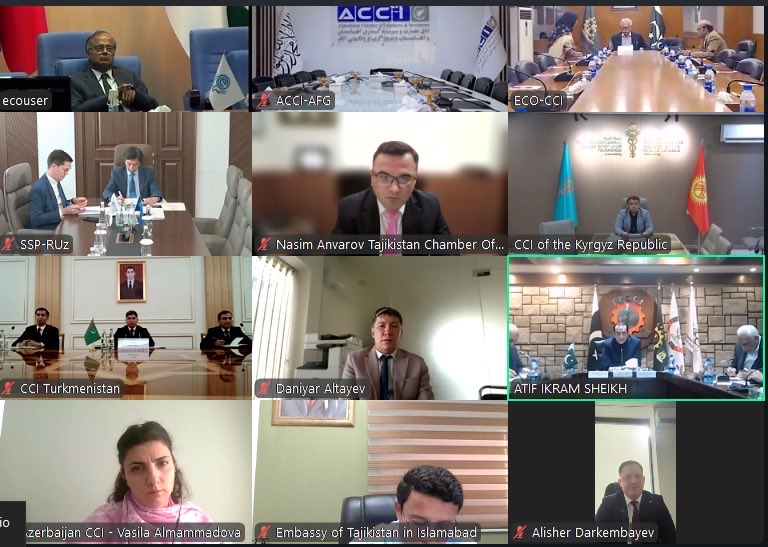
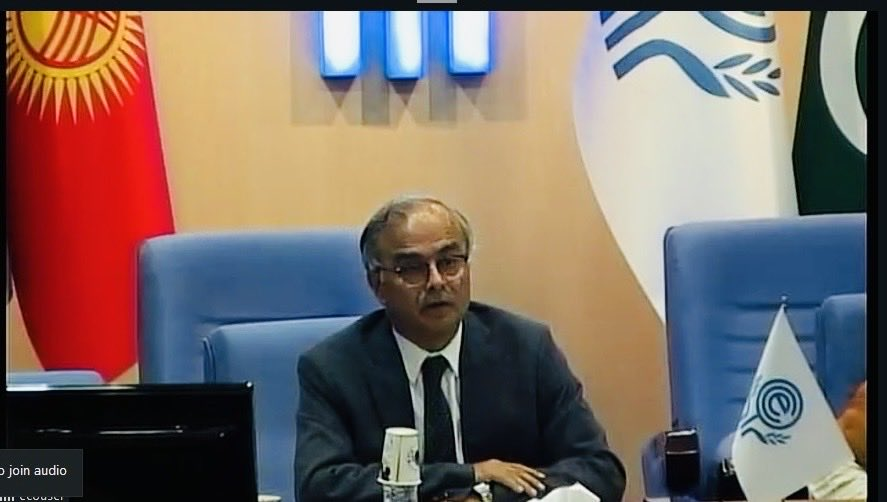
A delegation of the Economic Cooperation Organization (ECO), headed by H.E. Asad Majeed Khan, Secretary General of the ECO participated in the virtual meeting of the Presidents of the ECO Member Chambers of Commerce and Industry (ECO CCI) on August 12, 2026.
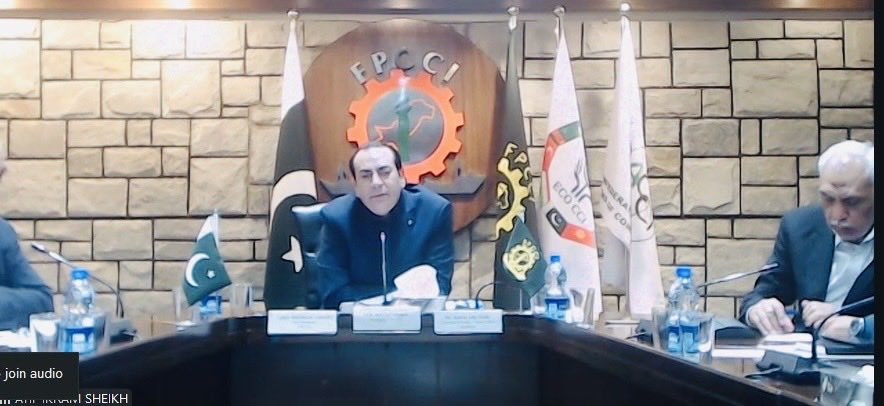
The meeting was hosted by the Federation of Pakistan Chamber of Commerce and Industry (FPCCI). Mr. Atif Ikram Shiekh, President of ECO CCI chaired the meeting. The meeting was also attended by the Presidents and delegates of the Chambers of Commerce and Industry of Islamic Republic of Afghanistan, Republic of Azerbaijan, Islamic Republic of Iran, Republic of Kazakhstan, Kyrgyz Republic, Republic of Tajikistan, Republic of Türkiye, Turkmenistan and Republic of Uzbekistan.
At the outset in his statement, H.E. Secretary General Mr. Asad Majeed Khan highlighted the significance of the role of private sector as an engine of growth and assured continued support and cooperation of the ECO Secretariat to the private sector in all initiatives. He highlighted the need for private sector to work in close liaison with their respective governments to advance trade integration and trade expansion agenda particularly to create networking opportunities. He underscored that ECO is working to build synergies among trade, transport and tourism and ECO’s objective is to translate investment in connectivity and infrastructure into higher trade volumes and increased cross-border movement of goods, services and people.
The President of ECO CCI stated that there is clear need to revive the Istanbul–Tehran–Islamabad corridor; expand road, rail, and air links and enable the wider use of TIR system to enhance connectivity in the region. He also highlighted the need for establishment of a regional SME matchmaking platform, dedicated B2B forums and exhibitions for women-led businesses.
The delegates participated actively in the meeting and deliberated on the ways for strengthening cooperation through greater engagement of the private sector. The delegates stressed on enhancing trade flows and addressing the connectivity challenges. They converged on trade facilitation and simplification and harmonization of customs procedures, digitalization of trade documentation, reduction in administrative barriers at borders. They also highlighted the need for fast-track visa arrangements for business persons.