18 November 2026 – Bangkok, Thailand
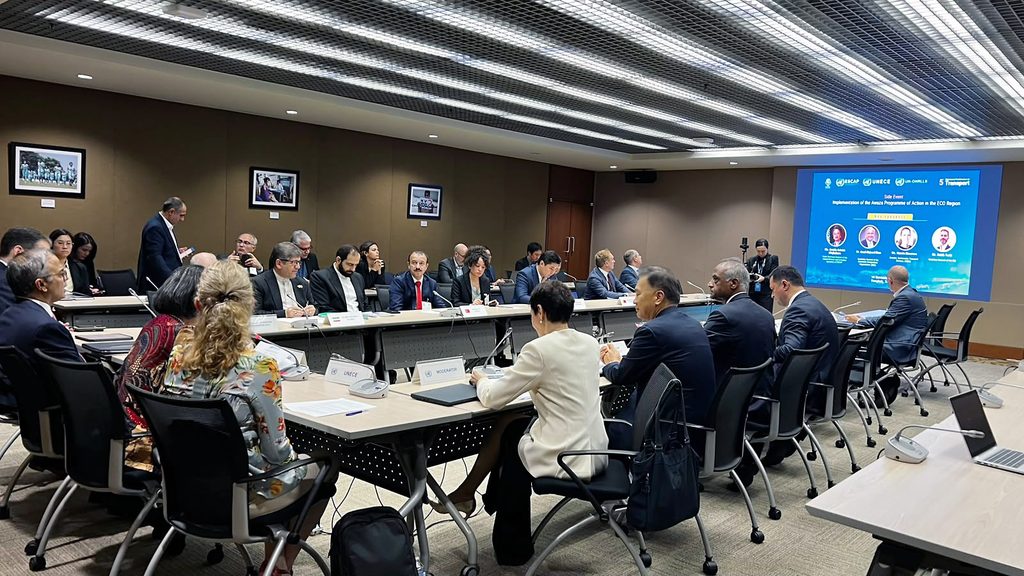
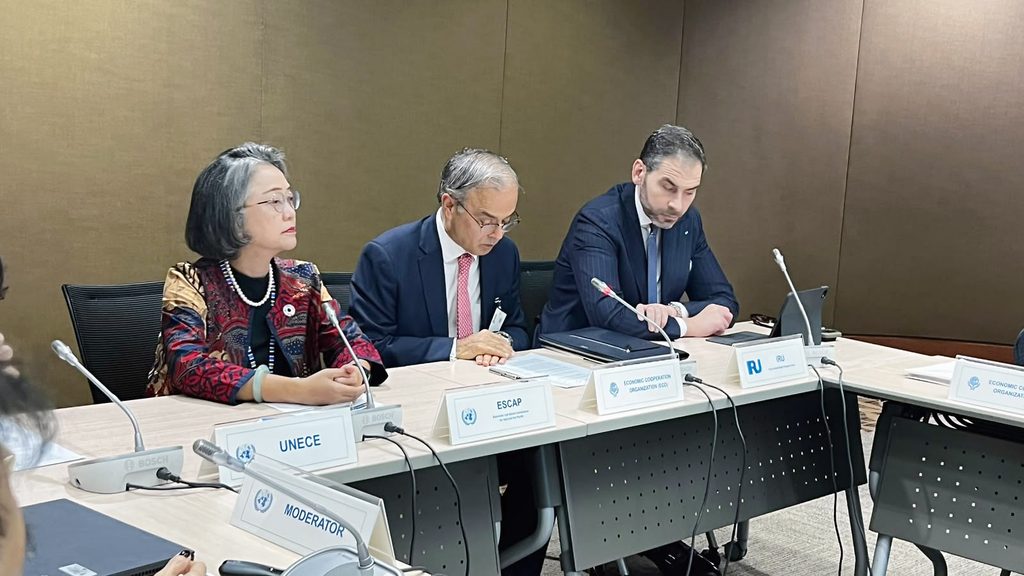
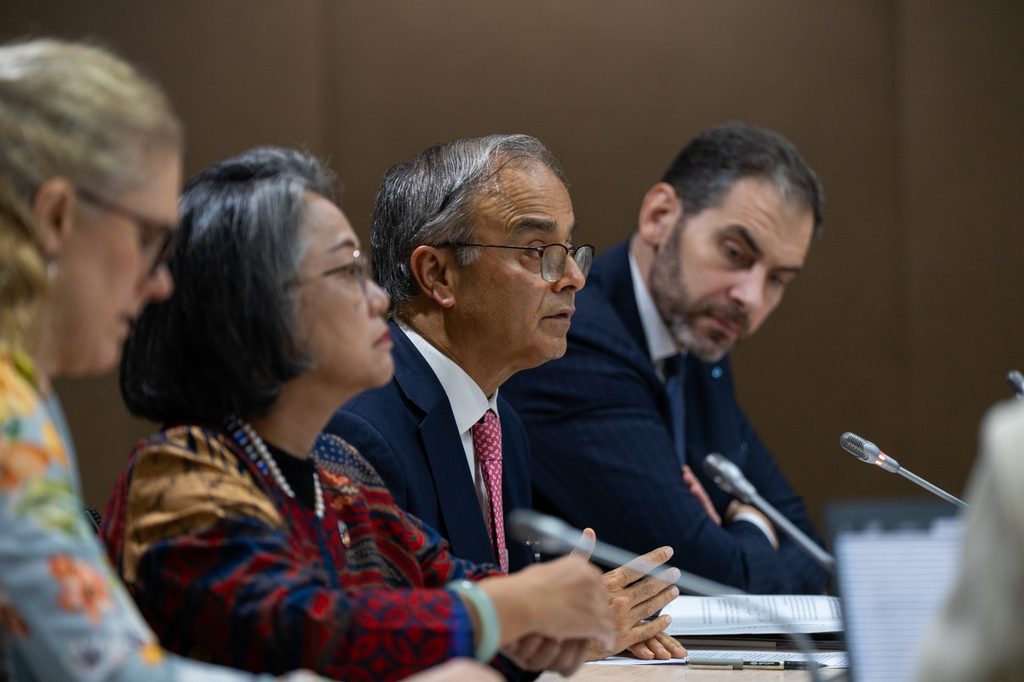
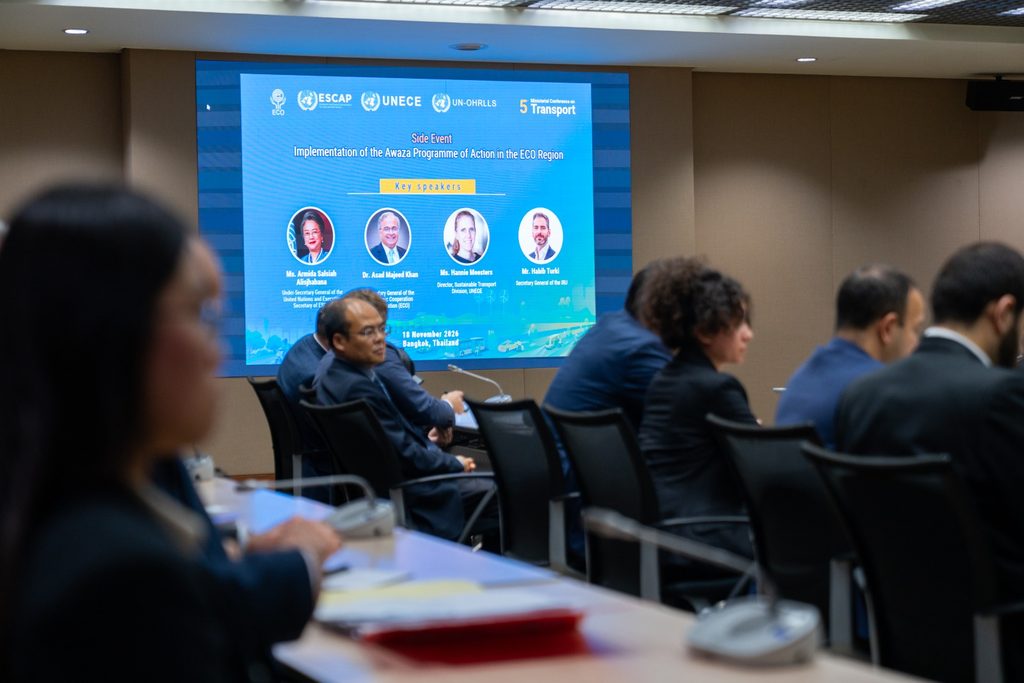
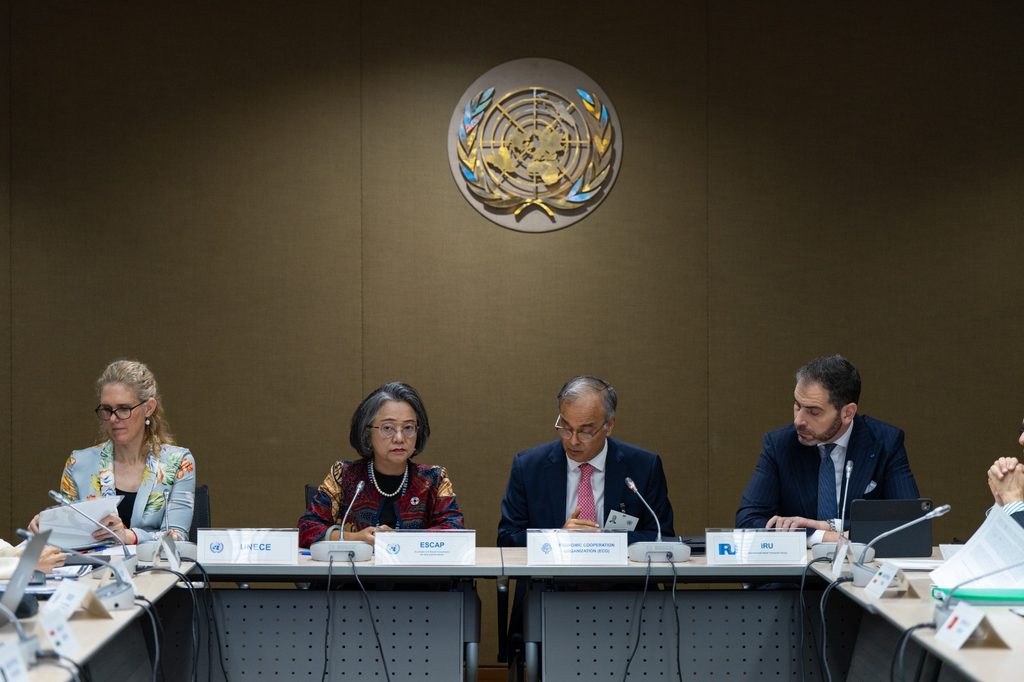
On the sidelines of the 5th ESCAP Ministerial Conference on Transport, the ECO, jointly with UNESCAP, UNECE and UN-OHRLLS, convened a high-level side event to advance regional cooperation on the implementation of the Awaza Programme of Action for Landlocked Developing Countries for the Decade 2024–2034.
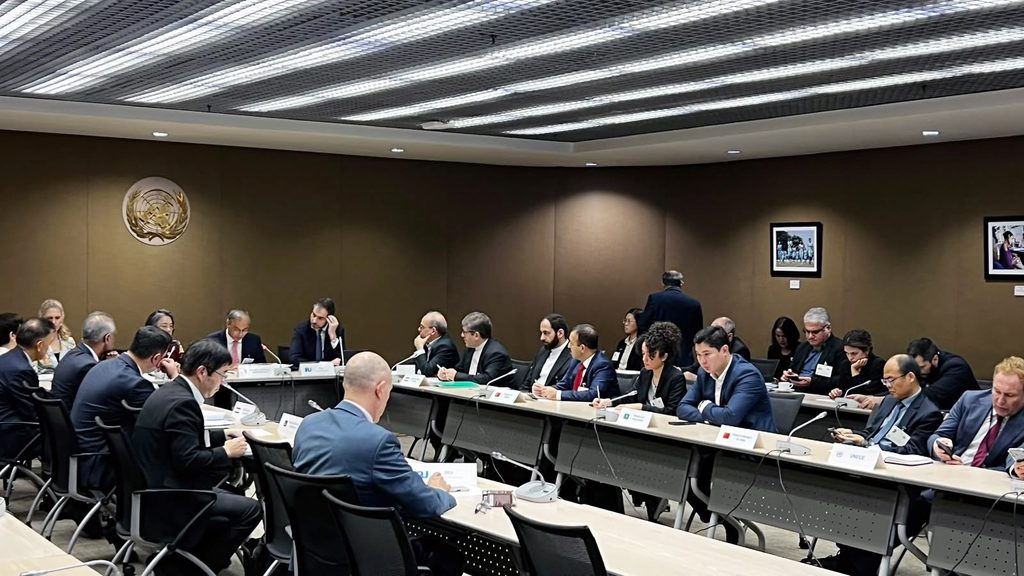
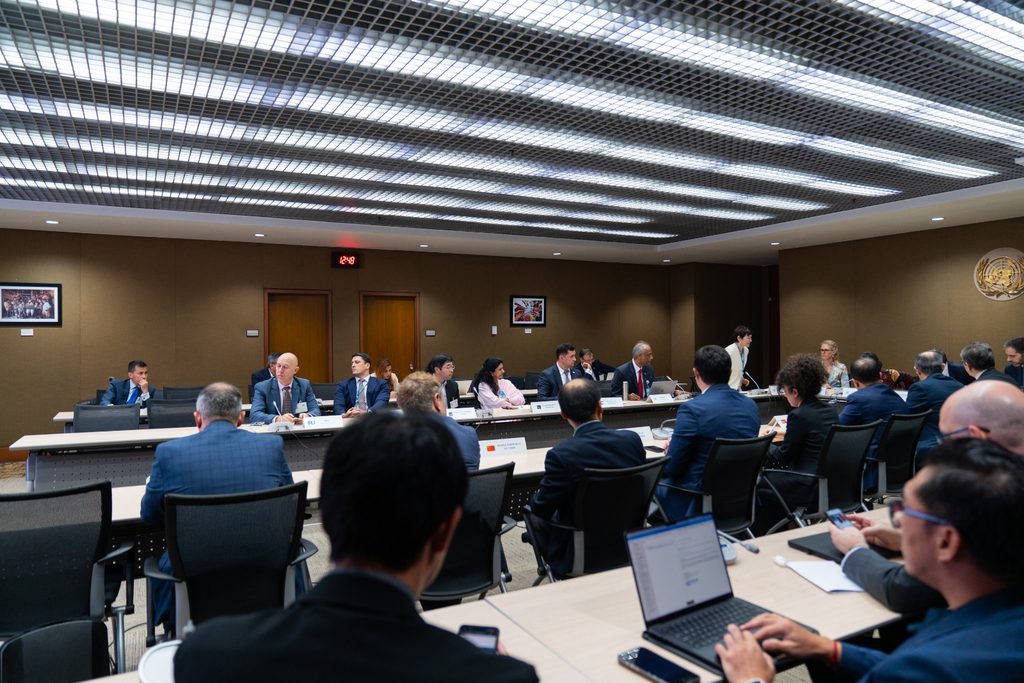
The event, titled “Implementation of the Awaza Programme of Action in the ECO Region,” brought together representatives of ECO Member States, United Nations entities, IRU, China and development partners, including Asian Development Bank (ADB).
The ECO region is home to seven LLDCs: Afghanistan, Azerbaijan, Kazakhstan, the Kyrgyz Republic, Tajikistan, Turkmenistan and Uzbekistan as well as three transit countries: Iran, Pakistan and Türkiye. Access of the LLDCs to international markets depends significantly on effective transit arrangements, efficient cross-border procedures and reliable transport connections with neighbouring and transit countries.
The joint side event provided a platform for exchanging views on regional priorities and common challenges, identifying areas where existing regional mechanisms can accelerate implementation, and exploring opportunities for cooperation with development partners, regional organizations and United Nations entities.
A key expected outcome was to lay the groundwork for a coordinated regional approach and a potential ECO-led roadmap that translates the objectives of the Awaza Programme of Action into practical priorities, partnerships and implementation measures.
The participants recognized that improved connectivity requires more than physical infrastructure. Efficient transport corridors depend equally on streamlined border procedures, harmonized regulations, effective transit cooperation, interoperable digital systems and resilient, safe and environmentally sustainable transport services. Coordinated action in these areas can improve the performance of regional corridors and deliver tangible benefits for businesses, communities and national economies.
The event also provided an opportunity to strengthen dialogue between landlocked and transit countries, reinforce cooperation among regional institutions and identify ways to align existing initiatives with the priorities of the Awaza Programme of Action.
The side event further reinforced the importance of regional partnerships in scaling up sustainable transport initiatives across Asia and the Pacific.